The Ultimate Guide to Crane Hire: Choosing the Right Equipment for Your Project
Selecting the correct lifting solution is one of the most critical decisions in any construction or industrial project. It isn’t simply a matter of finding a machine that can lift a specific weight; it involves a complex calculation of reach, terrain, site access, and safety protocols. Professional crane hire Peterborough services provide the specialized equipment and technical expertise necessary to ensure that heavy lifting is executed seamlessly.
Understanding Your Lifting Requirements
The first step in any hire process is a thorough site assessment. Project managers must consider the maximum weight of the load, the radius (the distance from the center of the crane to the load), and the height the load must be lifted. These variables are non-negotiable; even a slight miscalculation in the radius can drastically reduce a crane’s lifting capacity,leading to potential site failures.
Choosing the Right Machine: From 30 to 230 Tonnes
Modern fleets are designed to be versatile, ranging from compact 30-tonne units to heavy-duty 230-tonne giants. For projects with restricted space, such as interior factory fit-outs or urban alleyways, city cranes or spider cranes are the gold standard. These compact units can navigate through narrow gaps and are often used in interior fit-outs or on rooftops.
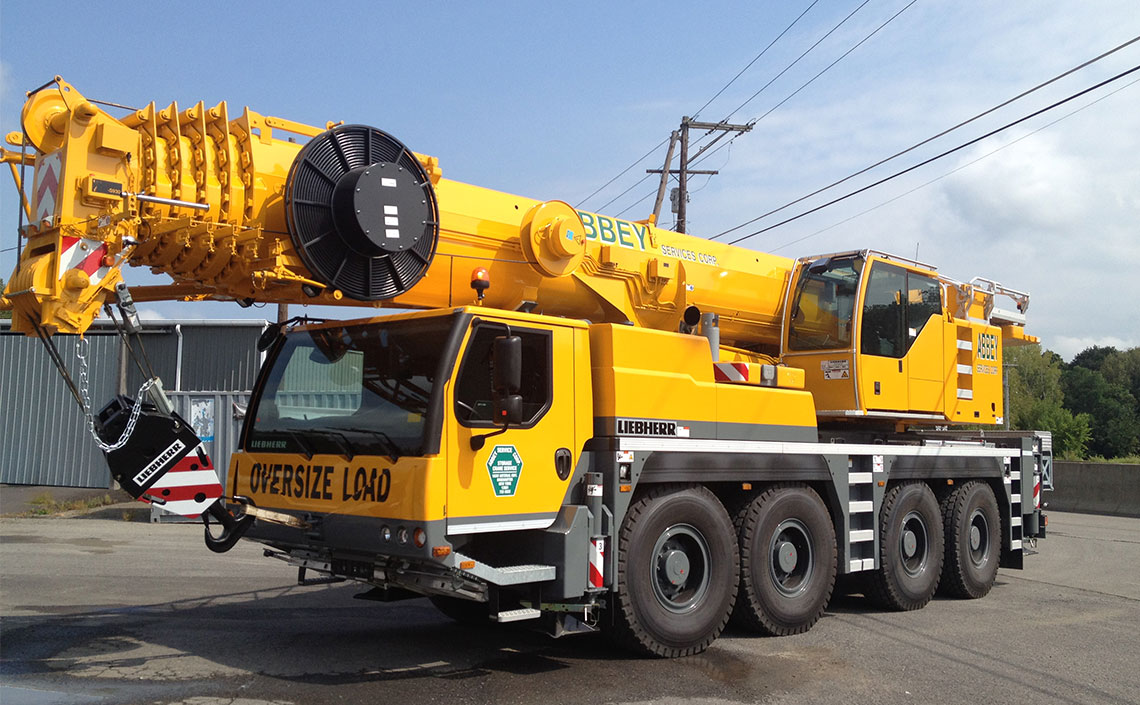
For larger, more traditional construction sites, all-terrain cranes offer a blend of mobility and power. These machines feature all-wheel steering and robust suspension systems, allowing them to travel at speed on public roads while maintaining the traction needed to navigate muddy or uneven ground once on-site. Many of these modern units are now equipped with Vario Rigging or variable outrigger technology. This allows the crane to be set up in tight spaces where it might not be possible to fully extend all outriggers, with the crane’s onboard computer automatically adjusting the safe lifting charts based on the specific footprint.
Safety and Regulations: CPA vs. Contract Lift
In the UK, crane operations are strictly governed by the Lifting Operations and Lifting Equipment Regulations (LOLER) and BS 7121. When hiring equipment, you generally choose between two commercial frameworks:
- CPA Crane Hire: This is a “dry hire” or basic hire agreement. The customer takes full responsibility for the lift.You must provide a qualified “Appointed Person” to plan the lift, provide the insurance (including hired-in plant insurance and third-party liability), and oversee the safety of the operation. The hire company simply provides the crane and a competent operator.
- CPA Contract Lift: This is the most popular choice for companies that do not specialize in lifting. The hire company takes on the entire burden of responsibility. They provide the Appointed Person, create a comprehensive Method Statement and Risk Assessment (RAMS), supply all necessary rigging and tackle, and provide the insurance cover. This “turnkey” solution effectively transfers the legal and operational risk to the specialists.


