
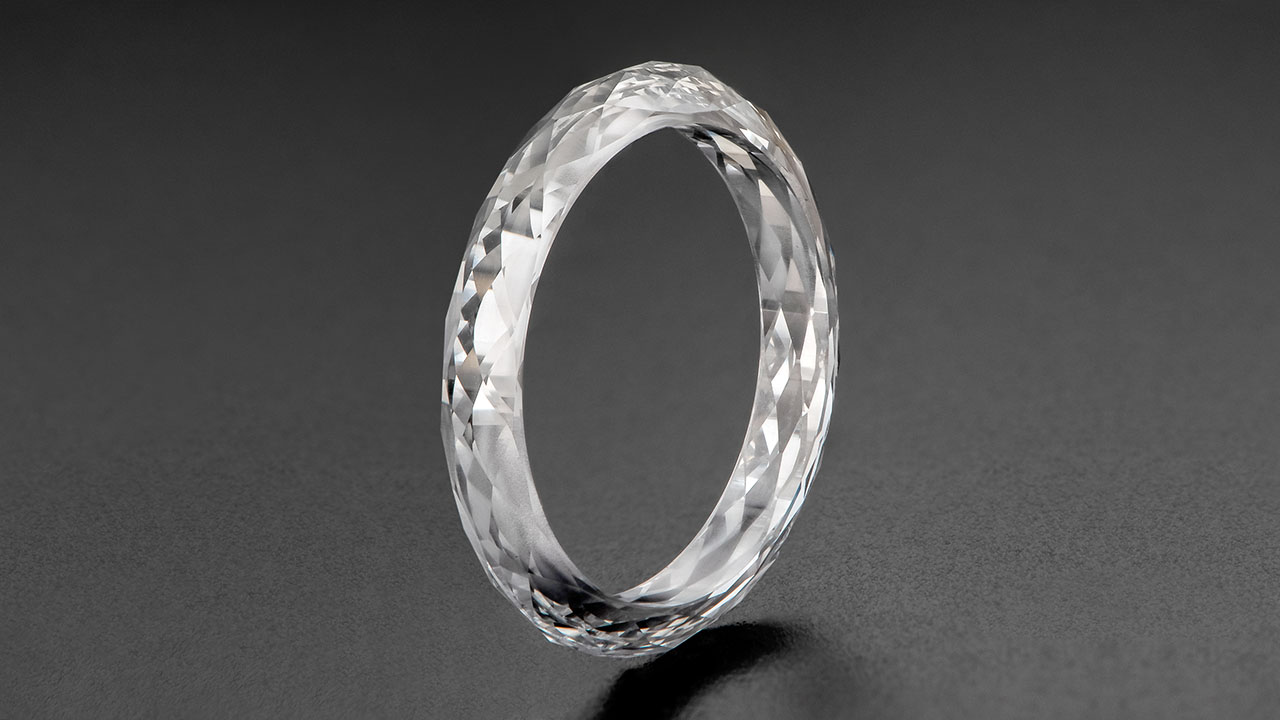
Blue Diamonds and Lab-Made Diamonds: A Brilliant Fusion of Nature and Technology
Preface
Diamonds have long captured human imagination with their unmatched brilliance and enduring appeal. Among these precious stones, blue diamonds stand out for their enchanting hue and extraordinary rarity. Historically, they have represented wealth, elegance, and mystery, captivating collectors and jewelry enthusiasts alike. Recently, advancements in technology have introduced a transformative option alongside naturally occurring gems: lab-made diamonds. In this article, we explore the world of blue diamonds and lab-made diamonds, examining their origins, characteristics, and the transformative impact of technology on the diamond industry.
Understanding Blue Diamonds
Blue diamonds are among the rarest gemstones in the world, prized for their stunning blue hue that ranges from faint light to deep, vivid blue. This distinctive coloration is primarily due to the presence of boron atoms within the diamond lattice, which absorb red light and produce the blue shade. Unlike traditional colorless diamonds, blue diamonds are extremely scarce, with only a few notable mines—such as the Cullinan Mine in South Africa and the Golconda region in India—historically producing these gemstones.
The rarity of blue diamonds is further amplified by their size and quality. Exceptional specimens, like the Hope Diamond, have become iconic symbols of wealth and allure. Because of their scarcity and historical significance, blue diamonds often command astronomical prices in the luxury market, sometimes costing millions of dollars per carat at auctions. These gemstones are not just valued for their beauty; they are also considered prized investments and collector’s items.
Lab-Made Diamonds: Innovation Meets Elegance
In parallel with the appeal of naturally occurring blue diamonds, lab-made diamonds have emerged as a revolutionary option for consumers seeking both ethical and cost-effective choices. Lab-made diamonds are chemically, physically, and optically identical to natural diamonds, but they are created under controlled laboratory conditions. The two primary methods for producing these diamonds are High Pressure High Temperature (HPHT) and Chemical Vapor Deposition (CVD). Both techniques replicate the natural processes that form diamonds deep within the Earth’s mantle but achieve this in a fraction of the time.
One of the major advantages of lab-made diamonds is their environmental and ethical appeal. Mining natural diamonds often involves large-scale excavation and ecological disruption, whereas lab-grown diamonds require significantly fewer resources and have a smaller carbon footprint. Additionally, lab-made diamonds avoid the ethical concerns associated with conflict diamonds, offering a transparent and socially responsible choice for conscientious buyers.
The Emergence of Blue Lab-Made Diamonds
Technological advancements have now made it possible to produce blue diamonds in laboratories, opening new possibilities for jewelry enthusiasts and collectors. By introducing boron into the growth process during HPHT or CVD synthesis, scientists can create lab-made blue diamonds that replicate the captivating color and clarity of their natural counterparts. These lab-created blue diamonds offer consumers the opportunity to enjoy a gemstone with the same optical brilliance as a natural blue diamond, but at a more accessible price point.
While natural blue diamonds remain rare and immensely valuable, lab-made blue diamonds are democratizing access to these stunning gems. Jewelry designers and consumers can now incorporate exquisite blue stones into engagement rings, necklaces, and other high-end pieces without the prohibitive costs associated with mining rare natural diamonds.
Comparing Natural and Lab-Made Blue Diamonds
When evaluating blue diamonds, whether natural or lab-made, several key factors come into play:
Color and Clarity
The color of blue diamonds ranges from faint sky blue to deep, intense blue. Lab-made blue diamonds can achieve similar shades, offering vibrant coloration and depth. Both natural and lab-made diamonds are graded based on the Gemological Institute of America (GIA) color scale, allowing consumers to objectively compare quality.
Price and Value
Price is a major differentiator. Natural blue diamonds are rare and command astronomical prices, often making them exclusive to high-net-worth collectors. Lab-made blue diamonds, while equally stunning in appearance, are more affordable, providing an accessible option without compromising on beauty or brilliance.
Ethical and Environmental Considerations
Lab-made diamonds have a clear advantage in terms of sustainability. They consume fewer natural resources and avoid the ethical dilemmas associated with mining. For environmentally conscious consumers, lab-made diamonds present a compelling choice without sacrificing aesthetic appeal.
Investment Potential
Natural blue diamonds have historically been solid investments, appreciating in value over time due to their rarity and demand. Lab-made diamonds, while beautiful and increasingly popular, do not yet carry the same long-term investment potential, although their market is expanding rapidly.
The Future of Blue Diamonds and Lab-Made Diamonds
The intersection of natural beauty and technological innovation is reshaping the diamond industry. Blue diamonds and lab-made diamonds are at the forefront of this transformation, bridging the gap between exclusivity and accessibility. As laboratory techniques continue to advance, we can anticipate even greater control over color, clarity, and size, allowing for customized gemstones that meet individual preferences.
Consumer awareness is also shifting. Ethical sourcing, sustainability, and transparency are becoming essential considerations in purchasing decisions. Lab-made diamonds are increasingly valued not only for their beauty but also for their positive environmental and social impact, creating a growing market segment that challenges traditional norms.
Additionally, innovations in diamond treatments, hybrid approaches combining natural and lab-grown diamonds, and advanced grading techniques are enhancing consumer confidence. The GIA and other gemological authorities now provide detailed grading reports for lab-made diamonds, ensuring transparency and maintaining trust in the industry.
Conclusion
Blue diamonds have long symbolized rarity, elegance, and timeless beauty. Today, the rise of lab-made diamonds offers an ethical, sustainable, and more affordable alternative, allowing a broader audience to experience the allure of these exquisite gemstones. While natural blue diamonds retain their unmatched prestige and investment potential, lab-made blue diamonds are democratizing luxury and driving innovation in jewelry design.
As the industry evolves, blue diamonds and lab-made diamonds represent a perfect fusion of natural wonder and scientific ingenuity. Whether one seeks the historical significance of a natural gemstone or the cutting-edge elegance of a lab-grown diamond, both options provide a dazzling testament to human fascination with these extraordinary gems.


